
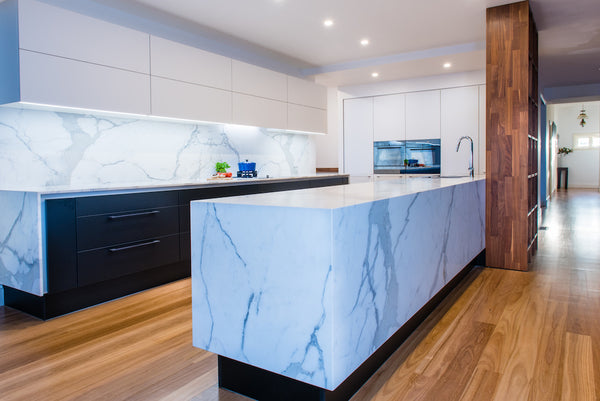
Marble is among the most beautiful natural stones in the world. For this reason, most people are fond of using this marble in their homes due to its beauty. Marble is a common material that creates many things in a home, from marble tiling to marble countertops.
Despite all these advantages of marble, it also has some disadvantages. Marble is a porous material, and therefore it gets stained easily. However, there are many powder and paste products available in the market that can effectively eliminate these stains.
This article will look at the different ways you can remove various stains from marble using powder and paste.
How to Deal with Spills on Marble?
Since marble is a porous material, it will absorb any liquid that spills its surface, causing stains. If you leave these spills on the marble surface, they will stain the marble causing permanent damages. However, you can avoid the permanent staining provided you take immediate action once the marble gets stained. It would be best if you used a soft, damp cloth to wipe off the liquid spill.
How to Remove Stains from Marble?
If the above method does not prevent the stain, there are other methods that you can use to remove the stain. But before eliminating any stain from the marble surface, it is crucial first to determine the type of stain.
Types of Marble Stains
Many different types of marble stains affect marble surfaces. They include:
- Rust stains
- Organic Stains
- Water Stains
- Oil-Based Stains
- Ink Stains
- Paint Stains
- Etch Marks
- Mold Stains
1.Rust stains
These stains are generally brown or copper-colored. Some materials that cause these rust stains are metal cans, screws, and nails left lying on the marble surface.
2. Organic Stains
These are among the most common stains on marble surfaces and are commonly dark or light brown. Examples of organic stains are the rings left on the marble surface by coffee cups, utensils, and other household substances.
3. Water Stains
These are other common stains that form on marble surfaces, not to be confused with Etch Marks. They occur due to either hard water that collects around showers and sinks for too long or a water container or glass left on a marble surface for a long time.
4. Oil-Based Stains
Many things are responsible for causing these types of stains. They include hand lotion, milk, butter, grease, and cooking oil, among others. These stains are usually yellow or light brown.
5. Ink Stains
Ink is another substance that is notorious for causing stains on marble surfaces. These stains result from spills from wine, markers, pens, and highlighters, among others. Ink stains are mostly alcohol or water-based.
6. Paint Stains
Paint is another substance that is responsible for causing stains on marble surfaces. The stains that form are of the color of the paint that spills on the marble surface. These stains are quite difficult to get rid of, and their difficulty depends on the stained patch’s size.
7. Etch Marks
Some acidic substances such as wine, orange juice, and lemon juice, among others, are some of the marble’s worst enemies. These acidic substances are responsible for the etching of marble surfaces in your home. Etch marks occur due to the wearing away of the marble surface by the acidic substance.
8. Mold Stains
Mold stains commonly occur in marble bathroom floors, countertops, etc.
Can You Remove Marble Stains?
Yes, marble stains are removable. You can get rid of them by using special powders and pastes designed for marble stains removal. MB Stone Professional has some of the best marble stain removers available in the market.
How to Get Rid of the Above Marble Stains?
While removing stains from marble is possible, prevention is always the best approach. Marble is a porous stone, which means it can absorb liquids quickly if left unprotected. Regular maintenance and proper care can significantly reduce the chances of staining.
One of the most effective ways to protect marble surfaces is by applying a high-quality sealer. Sealing creates a protective barrier that slows down absorption, giving you more time to clean up spills before they turn into stains. Depending on usage, marble surfaces should typically be sealed every 6–12 months.
In addition, always clean spills immediately—especially substances like wine, coffee, oils, and acidic liquids such as lemon juice or vinegar. These can penetrate and etch the surface quickly if left unattended.
Using the right cleaning products is equally important. Stick to pH-neutral cleaners specifically formulated for natural stone. Avoid common household cleaners that contain acids or harsh chemicals, as they can dull the finish or damage the marble over time.
How to Use Marble Stain Paste and Powder Removers?
Never use harsh cleaners or bleachers to remove stains from marble surfaces as they may cause permanent damage to the marble.
As we have seen, there are many powder or paste marble stain remover products that work effectively to eliminate stains on your marble surfaces. Where you are unable to remove the stains yourself, it is advisable to seek professional assistance.